The concept of the shopping mall has undergone a profound transformation. Once viewed simply as convenient, centralized places to purchase clothing, electronics, and household goods under a single roof, shopping malls are redefining their purpose. In an era dominated by e-commerce and digital convenience, the traditional brick-and-mortar retail center has evolved into a dynamic lifestyle hub focused on experience, community, and entertainment.
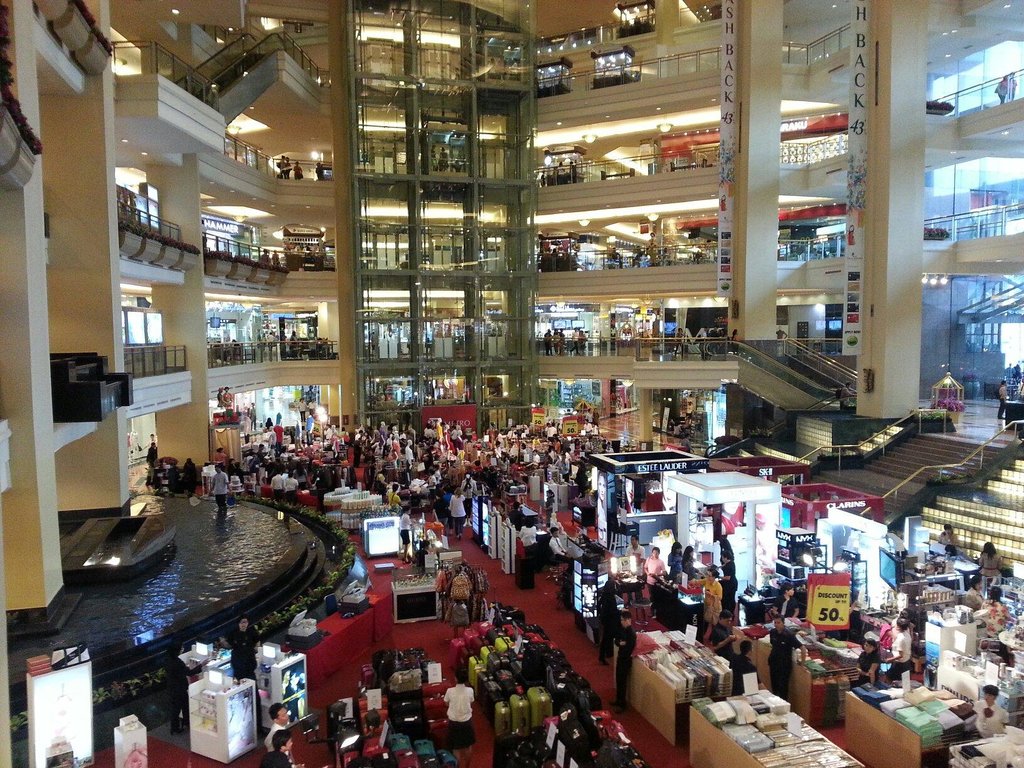
Modern shopping malls are no longer just about transactional retail; they are designed as multi-sensory social environments. Understanding this shift reveals how physical retail spaces continue to stay relevant, engaging, and essential to modern urban living. Here is an in-depth exploration of how the modern shopping mall is reinventing itself for the modern consumer.
1. Transforming Retail Spaces into Experiential Hubs
The primary driver behind the modern shopping mall’s transformation is the move toward experiential retail. Because consumers can purchase almost any product online with a simple click, physical spaces must offer something digital stores cannot replicate: memorable real-world experiences.
- Interactive Brand Showrooms: Rather than carrying massive inventories on the sales floor, many retail stores within modern malls act as interactive showrooms. Shoppers can test products, participate in hands-on demonstrations, and engage with expert staff before placing orders for home delivery or instant pickup.
- Integrated Entertainment Complexes: Anchoring modern shopping centers today are high-tech cinema complexes, indoor amusement zones, virtual reality arcades, and bowling alleys. Malls are deliberately shifting spatial allocation away from pure retail to dedicated leisure zones.
- Immersive Pop-Up Concepts: Rotating pop-up shops, artistic installations, and seasonal exhibits keep the mall environment fresh. This constant variety encourages frequent visits from locals seeking new visual and cultural experiences.
2. Redefining Dining Beyond the Traditional Food Court
For decades, mall dining was synonymous with quick-service fast food served under fluorescent lights in a crowded, noisy food court. Today, food and beverage offerings have become primary foot-traffic drivers in their own right.
- Gourmet Food Halls: Traditional food courts are rapidly being replaced by curated food halls featuring artisanal vendors, local bakeries, craft coffee roasters, and international street food concepts.
- Fine Dining and Destination Restaurants: High-end full-service restaurants are increasingly occupying prime outer real estate in shopping centers. Diners visit modern malls specifically for culinary experiences, often staying to shop afterward.
- Social Gathering Spaces: Contemporary food spaces prioritize comfortable, open seating designs with natural lighting and greenery, turning mealtime into a relaxed social activity rather than a quick pitstop.
3. Integrating Wellness, Fitness, and Lifestyle Services
To remain integrated into the daily routines of consumers, shopping malls are incorporating services focused on health, wellness, and everyday convenience. This strategy turns periodic shopping trips into regular weekly habits.
- Boutique Fitness Studios and Gyms: Modern malls frequently house luxury health clubs, yoga studios, and specialized fitness boutiques. Members visit the property multiple times per week, naturally increasing foot traffic for surrounding retail and dining outlets.
- Health Clinics and Personal Care: Medical offices, dental practices, high-end day spas, and specialized skin salons are becoming common mall tenants, offering essential services in easily accessible locations with ample parking.
- Co-Working and Productivity Spaces: Recognizing the shift toward flexible work arrangements, some forward-thinking shopping centers offer co-working lounges equipped with high-speed internet, private meeting rooms, and quiet workspaces.
4. Prioritizing Architecture, Sustainability, and Green Spaces
The visual and physical environment of a shopping mall plays a major role in how long visitors choose to stay. Dark, enclosed hallways are giving way to sunlit, open-air architectural designs that emphasize natural beauty and environmental sustainability.
- Biophilic Design Elements: Incorporating live indoor gardens, vertical green walls, natural timber accents, and massive glass skylights creates a relaxing atmosphere that mimics outdoor environments.
- Open-Air Lifestyle Centers: Many newer shopping developments favor outdoor promenade layouts featuring walking paths, outdoor seating, fountains, and central plazas for community gatherings.
- Eco-Friendly Infrastructure: Sustainability initiatives—such as solar panel installations, rainwater harvesting systems, electric vehicle charging stations, and energy-efficient climate control—are increasingly integrated into property management.
5. Merging Physical Retail with Digital Innovation
The future of the shopping mall is not a battle against technology, but a smart integration of it. The most successful retail destinations utilize omnichannel strategies to enhance the physical visit.
- Smart Parking and Navigation: Integrated mobile apps allow visitors to reserve parking spots in advance, locate available spaces via sensor systems, and navigate expansive floor plans with real-time interactive maps.
- Seamless Order Collection Points: Dedicated curbside pickup zones and centralized click-and-collect counters allow customers to retrieve online orders quickly without navigating the entire building.
- Personalized Digital Engagement: Location-based beacons can send tailored offers, event notifications, and loyalty rewards directly to visitors’ smartphones as they walk past participating stores.
6. Fostering Community and Cultural Engagement
At their core, human beings crave connection and shared spaces. The modern shopping mall serves as a contemporary town square where diverse communities come together for cultural, educational, and recreational events.
- Local Artisan Markets and Fairs: Hosting weekend farmers’ markets, local craft fairs, and art exhibitions supports small businesses while giving shoppers unique products not found in standard retail chains.
- Community Workshops and Events: From outdoor movie nights and live music performances to wellness workshops and children’s educational activities, community programming turns the mall into a vibrant social center.
- Inclusive Gathering Zones: Designing public seating areas, outdoor parks, and play zones encourages families and individuals to relax and socialize without the pressure to make an immediate purchase.
Conclusion
The modern shopping mall is far from obsolete; it has simply evolved to meet changing human needs. By transitioning from pure retail hubs into vibrant lifestyle destinations, shopping centers are proving their enduring value. Through experiential retail, culinary excellence, wellness integration, sustainable architecture, and digital innovation, the shopping mall continues to redefine itself as an essential space for commerce, entertainment, and community connection.