The United States represents one of the largest, most mature, and technologically advanced e-commerce markets in the world. From the early pioneering days of online book marketplaces to the current landscape dominated by rapid fulfillment, social commerce, and direct-to-consumer innovations, the US online store ecosystem has completely altered the way Americans manage their households and lifestyles.
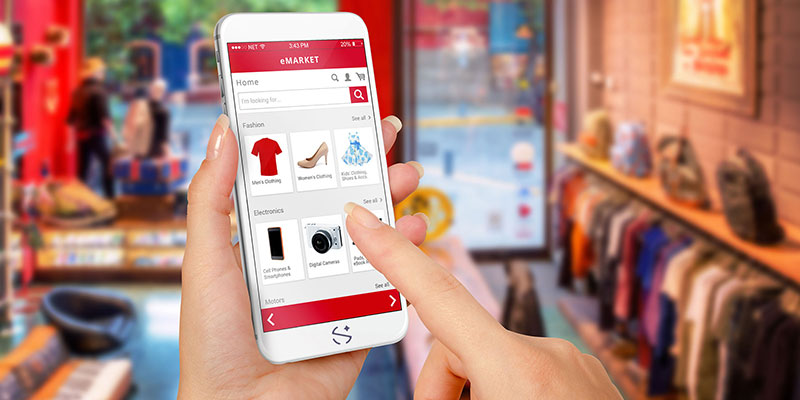
Operating or shopping within the US digital market requires an understanding of a highly sophisticated infrastructure. Driven by intense competition, American online stores have set global benchmarks for logistics speed, consumer protection, and digital checkout simplicity. Whether you are an international consumer looking to purchase from iconic American brands or an entrepreneur analyzing market dynamics, understanding how the US online store industry operates provides valuable insight into the future of global retail.
What Sets the US Online Store Market Apart
The American digital retail landscape is unique due to several specific economic and cultural factors that shape consumer expectations and retail operations on a daily basis.
1. The Expectation of Frictionless Logistics
In the US, rapid shipping is no longer a luxury feature; it is an entry-level requirement. Driven by major market leaders, American consumers routinely expect their online purchases to arrive within one to two business days. To meet this intense demand, US online stores utilize an extensive network of regional fulfillment centers scattered across multiple states. This decentralized inventory strategy ensures that high-demand products are physically located just a few miles away from major metropolitan areas, enabling rapid delivery.
2. Radical Customer Centricity and Return Policies
American online stores are famous for their incredibly flexible, consumer-friendly return frameworks. The “no-questions-asked” return policy has become an industry standard. Many US digital retailers provide prepaid return shipping labels inside the box or allow customers to drop off unboxed return items at local third-party drop-off points, such as supermarkets or pharmacy chains. This eliminates the financial risk of online shopping, building immense consumer trust and encouraging higher order values.
The Major Categories Dominating US Digital Retail
The US online store landscape is generally divided into three major structural models, each serving a distinct consumer need and shopping preference.
The Mass-Market Ecosystems
At the top of the pyramid sit the massive, multi-category digital marketplaces. These platforms act as digital department stores, offering everything from fresh groceries and automotive parts to high-end electronics. Their primary value proposition relies on sheer convenience, centralized customer service, and subscription programs that combine shipping benefits with digital media streaming.
Direct-to-Consumer (DTC) Revolutionaries
Over the last decade, the US has seen a massive surge in Direct-to-Consumer brands. These specialized online stores bypass traditional wholesale and retail distributors entirely, manufacturing their own products and selling them directly to the end consumer via independent websites. By cutting out the middleman, US DTC stores focus heavily on niche product quality, transparent sourcing, sustainability, and authentic brand storytelling that resonates deeply with younger demographics like Millennials and Gen Z.
Brick-and-Mortar Omni-channel Giants
Traditional American physical retailers have successfully transitioned into the digital space by mastering the “omni-channel” approach. These companies allow consumers to browse inventory online, make a purchase via a smartphone app, and drive to a local store to pick up the item at the curb within an hour. This hybrid model successfully merges the immediate gratification of physical retail with the comfort of online browsing.
Critical Infrastructure Powering US E-Commerce
Behind the sleek user interfaces of American online stores lies a robust framework of financial and technological infrastructure that ensures secure, rapid transactions.
Payment processing in the US market is highly diverse and secure. While traditional credit and debit cards remain dominant, American online stores have widely adopted “Buy Now, Pay Later” (BNPL) services, allowing consumers to split their purchases into interest-free installments. Furthermore, one-click checkout solutions and digital wallets have minimized cart abandonment rates by removing the need to type in long shipping addresses and billing details for every transaction.
Additionally, data privacy and security measures are heavily prioritized. With the rise of state-level digital privacy acts across the US, online stores invest heavily in advanced encryption, transparent cookie tracking policies, and secure data storage to protect sensitive consumer identities and financial profiles from potential cyber threats.
Conclusion
The US online store market is a dynamic, fast-paced arena where consumer convenience and technological innovation meet. By setting world-class standards for rapid delivery, effortless return processing, and flexible payment options, American digital retailers have created a highly efficient shopping environment. As the market continues to integrate live-stream shopping, advanced artificial intelligence, and localized fulfillment solutions, the US e-commerce industry will undoubtedly continue to pioneer trends that influence how the rest of the world buys and sells online.