The world of jewelry, rich with history, intricate craftsmanship, and high emotional value, often presents more mystery than clarity. Whether you are contemplating the purchase of an engagement ring, trying to decipher the difference between plating and filling, or simply wondering how to keep your favorite silver pieces from turning black, finding reliable, jargon-free answers is essential. Jewelry is an investment—of money and sentiment—and informed choices lead to lasting satisfaction.
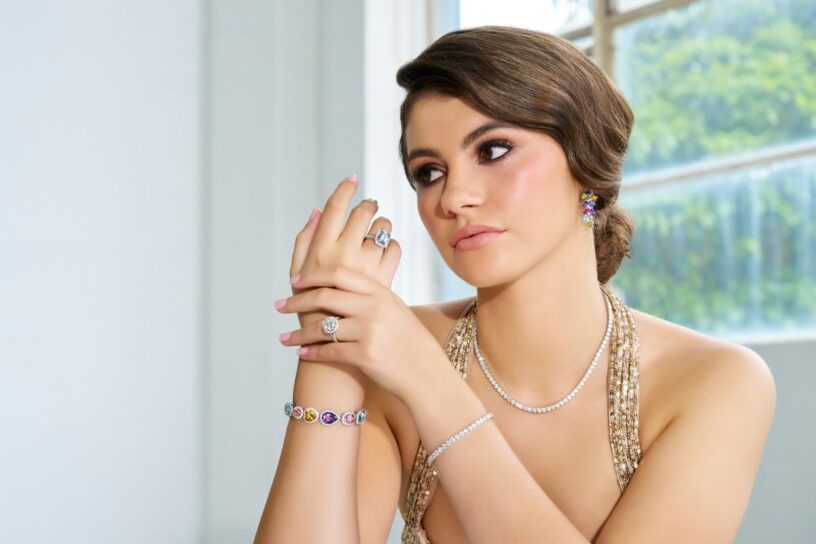
This article serves as your comprehensive guide, tackling the most desired and practical questions about jewelry materials, authenticity, care, and value, transforming you from a hesitant shopper into a confident collector.
Question I: Material Matters—What is the Real Difference Between Plated, Filled, and Solid Gold?
Understanding the composition of gold jewelry is crucial, as it directly impacts value, longevity, and price.
The Answer: A Hierarchy of Value and Durability
There is a distinct hierarchy in gold jewelry based on the amount of actual gold used:
- Solid Gold: This is the highest quality. It refers to gold alloyed with other metals (e.g., copper, zinc) to achieve hardness, measured in karats (10K, 14K, 18K). It is homogeneous, resistant to tarnishing, and holds its value. It is the material of choice for heirloom and everyday fine jewelry.
- Gold Filled (Gold Bonded): A genuine layer of gold is mechanically bonded with heat and pressure to a base metal (usually brass). This layer is significantly thicker than plating, comprising at least 5% of the item’s total weight. Gold-filled jewelry is durable, tarnish-resistant, and can last decades with proper care. It is an excellent balance of value and longevity.
- Gold Plated: This involves an extremely thin layer of gold being electrically deposited over a base metal. It is the least expensive option and provides the thinnest coating, which is prone to rubbing off, flaking, and tarnishing quickly, especially when exposed to water or sweat. This is best reserved for fashion or costume jewelry.
Question II: Beyond Diamonds—How Do I Choose a Colored Gemstone?
Colored gemstones offer immense personalization, but their durability varies widely. Knowing a stone’s hardness is key to selecting the right jewelry for the right purpose.
The Answer: Consult the Mohs Scale and Consider the Setting
The Mohs Hardness Scale (rated 1 to 10) measures a mineral’s resistance to scratching. This should guide your choice, particularly for rings, which endure the most impact.
- High Durability (9-10): Diamonds (10) and Sapphires/Rubies (9) are exceptionally hard and perfect for daily wear rings and bracelets. They resist scratching from everyday dust and impacts.
- Medium Durability (7-8): Stones like Emeralds (7.5-8) and Amethysts/Garnets (7) are suitable for daily use but require more protective settings (like a bezel setting) and extra care to avoid hard knocks.
- Low Durability (Below 6): Stones like Opals and Pearls are soft and porous. They should only be used in occasional-wear pieces like earrings, pendants, or cocktail rings, and must be shielded from water, chemicals, and temperature extremes.
Essential Tip: When buying colored stones, focus less on size and more on Color Saturation (the intensity and purity of the hue) and Cut (which determines how the light interacts with the color).
Question III: My Silver Jewelry Keeps Tarnishing. How Do I Prevent and Clean It?
Tarnish—the black or yellow oxidation on silver—is natural but manageable.
The Answer: Proper Storage and Proactive Cleaning
Tarnish is caused by the silver reacting with sulfur compounds in the air, humidity, and certain chemicals.
- Prevention (The Storage Solution): Store sterling silver jewelry in an airtight bag (like a small zip-top bag) with an anti-tarnish strip. Storing pieces individually limits their exposure to air and prevents scratching.
- Cleaning Routine (The Gentle Method): For light tarnish, use commercial silver cleaning solution or create a paste of baking soda and a few drops of water. Gently rub the paste onto the piece with a soft cloth (never a paper towel, which can scratch the metal). Avoid abrasive scrubbing.
- What to Avoid: Never use toothpaste (which is too abrasive) or harsh chemicals like bleach. Avoid dipping pieces containing porous stones (pearls, turquoise) into liquid cleaner, as it can damage the stone’s surface.
Question IV: How Often Should I Have My Fine Jewelry Inspected?
Fine jewelry is subjected to daily wear and tear that can loosen prongs and weaken settings without obvious visual cues.
The Answer: Annual Professional Inspection is Mandatory
For pieces worn daily, especially engagement rings, a professional inspection is mandatory every 6 to 12 months.
- The Safety Check: A professional jeweler will inspect the prongs under magnification for chipping or loosening. They will also check the security of the shank (band) and look for microscopic fractures or stress points.
- Preventative Maintenance: Catching a loose prong early is inexpensive; replacing a lost gemstone is costly. Regular inspection is the best insurance against loss.
Conclusion: Confidence in Curation
Jewelry is an intricate language of materials and meaning. By understanding the distinction between gold grades, appreciating the durability of various gemstones, mastering tarnish prevention for silver, and prioritizing professional inspection, you move from a confused shopper to a confident curator of your collection.
With this essential guidance, you are equipped to make beautiful, informed choices that ensure your jewelry remains brilliant and valuable for years to come.